
Reviewed · THINGS TO DO IN GYUMRI
Private Traditional Coffee And Dessert Making Activity
Gyumri turns coffee-making into a hands-on class. You start at the Chalet Gyumri museum, then roll up your sleeves with a local chef to make Armenian coffee plus ghayfa, and finish with dessert you choose yourself. It is part cooking lesson, part cultural stop, and it ends with the best part, eating what you made.
I really like two things. First, the class gives context, you learn the origins and cultural meaning behind the drinks and sweets, not just the steps. Second, the dessert choice is fun and practical, you pick one of four classics like yaghli or bagharj, then enjoy it right away.
One thing to consider: the meeting point is not in Gyumri’s center. If you are not using a local taxi or ride, you might want extra time and an easy plan for getting to Movses Khorenatsi St at Chalet Gyumri.
In This Review
- Key things to know before you go
- A Gyumri coffee-and-dessert class that feels personal
- Chalet Gyumri museum first, then your chef lesson
- Armenian coffee and ghayfa, two old drinks with different personalities
- How the four traditional desserts work (and how to choose)
- Farm ingredients, antique tools, and why that matters to you
- The hour-long flow: what your time looks like
- Value and price: what you are really paying for
- Practical tips so you enjoy the class more
- Who should book this cooking and coffee experience
- Should you book this private coffee and dessert workshop in Gyumri?
- FAQ
- How long is the Private Traditional Coffee And Dessert Making Activity?
- What will I make during the class?
- What dessert options are available?
- Is this activity private?
- Where does the activity start?
- Is the tour offered in English?
- What is the cancellation policy?
Key things to know before you go
- Hands-on cooking, not a show: you actually make the coffee and desserts, then eat them.
- Museum stop first: you tour antiques and historic Gyumri photos before baking.
- Two traditional drink experiences: Armenian coffee plus ghayfa, roasted wheat, and mostly forgotten today.
- Pick your dessert from four: yaghli, bishi, shakar lokhum, or bagharj.
- Local farm ingredients used: the class leans on ingredients from nearby farms.
- Antique tools for the process: you use saved, historic utensils to make and eat.
More gata, sujukh and sweet stops:
- Group Tour: Hovhannavank, Saghmosavank, Chocolate House, Aghtsk
★ 5.0 · 79 reviews - Group Tour: Hovhannavank, Saghmosavank & Chocolate House
★ 4.7 · 2 reviews
A Gyumri coffee-and-dessert class that feels personal
This is the kind of activity that works because it is simple: you do the work, you learn the why, and then you get to taste the results while it is still warm. In about an hour, you go from looking at old objects to using them, and from hearing food stories to making your own version of them.
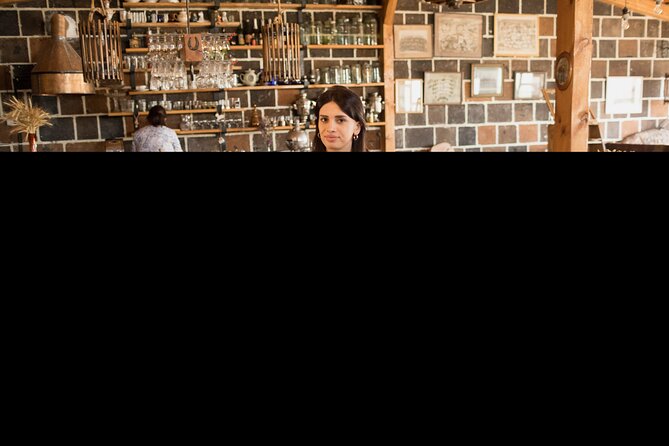
It helps that this is private, so it is not a crowded kitchen situation. Only your group participates, which makes it easier to ask questions and keep the pace comfortable, especially if you want to move slowly while you learn.
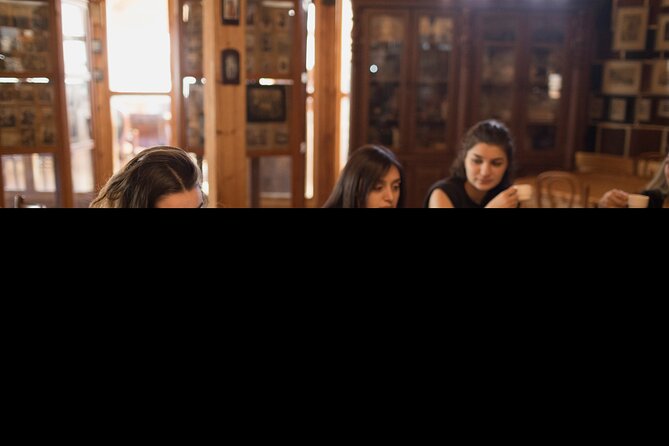
Also, the tone is welcoming. One of the repeated themes from visitor feedback is that the team is hospitable, friendly, and genuinely warm. That matters in cooking classes, because confidence grows when someone makes you feel at ease.
Chalet Gyumri museum first, then your chef lesson
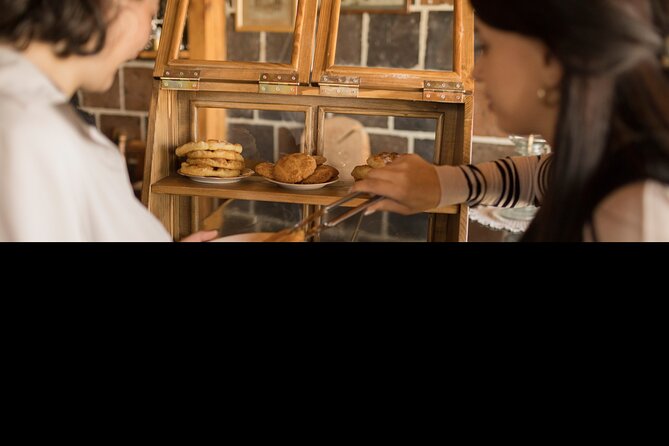
You meet at Chalet Gyumri on Movses Khorenatsi St, in Gyumri (3126). The experience starts there, and it flows in a smart order: museum first, cooking second.
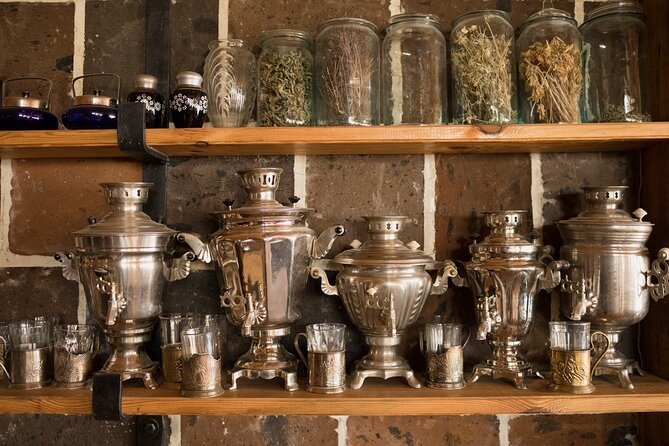
The museum part is not just decorative. You get a look at antiques that reach back to the Russian Empire, plus you see a large collection of historic photos of Gyumri. That photo collection is a standout detail, because it helps you connect the food lesson to real local memory, not just food as a random tradition.
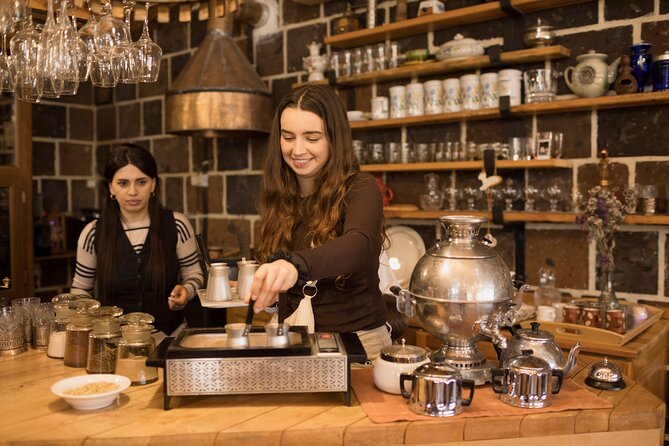
Then you shift from the museum room into the guest house kitchen setup, where a local chef leads the class. This matters because it changes the mood. You are no longer only observing culture, you are turning it into something you can taste.
A practical note for your time: since the full activity is about an hour, you will see highlights rather than every single display. If you love museums, you can still enjoy it, just know the cooking portion is the main event.
Armenian coffee and ghayfa, two old drinks with different personalities
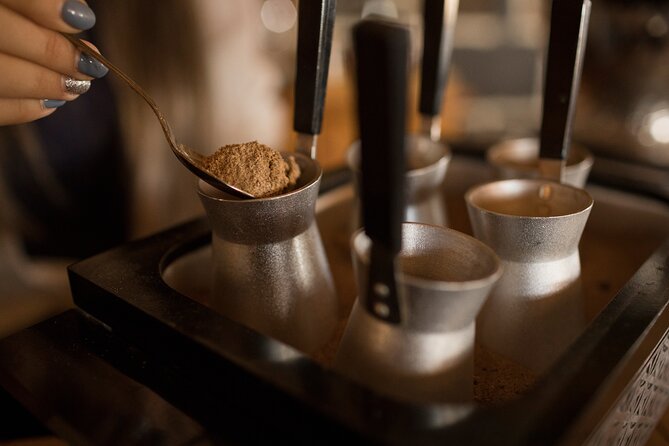
The coffee segment is where the class becomes very real. You learn to make traditional Armenian coffee, and you also make ghayfa, a roasted wheat drink that used to be popular in Gyumri but is now nearly forgotten.
Armenian coffee here is not the kind of thing you sip and forget. It is hands-on, and the class includes a moment to enjoy your own drink after you finish making it. Based on visitor feedback, expect a barley-style Armenian coffee as part of the process, which gives the flavor a distinct, hearty feel compared with lighter roasted coffee.
Then there is ghayfa. Roasted wheat has a different aroma and character, more like a warm, grainy drink than a classic coffee profile. Because ghayfa is mostly gone from everyday life in Gyumri now, learning it gives you a taste of what locals once considered normal.
If you care about food culture, this two-drink approach is a smart balance. You get a familiar-world concept with Armenian coffee, then you get something more local and slightly unusual with ghayfa.
Point the car somewhere else for the day:
- Museum of Illusions Tour★ 5.0 · 84 reviews
- Group Tour: Gyumri sightseeing, Black Fortress, Harichavank★ 4.7 · 66 reviews
- Gyumri Architectural Walking Tour★ 4.9 · 11 reviews
- Paint Your Own Traditional Doll★ 5.0 · 10 reviews
How the four traditional desserts work (and how to choose)
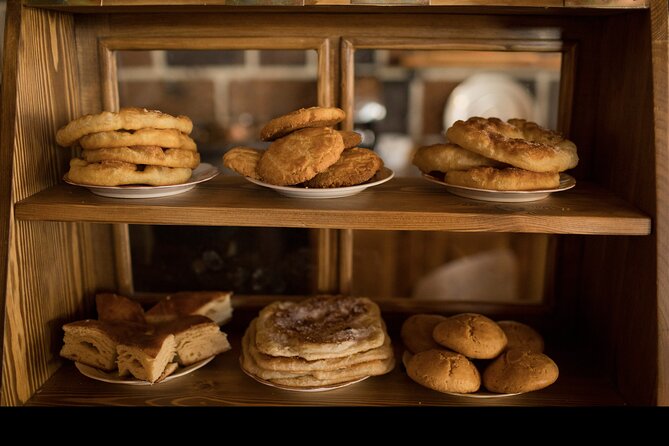
After the drinks, it is baking time. You get to choose one of four traditional desserts, and the choice is part of the fun.
Here is what each option typically involves:
- Yaghli: thin dough layered and oil-fried, then topped with sugar. Expect a crispy, sweet structure.
- Bishi: a yogurt-based pastry that is fried, and commonly eaten with hot chocolate. It is sweet, rich, and designed for a cozy pairing.
- Shakar lokhum: an oily and sweet cake baked in the oven. This one is more cake-like and warm.
- Bagharj: a yogurt-based pastry that can be sweet or salty, with intricate designs. You get the artistry side, plus the flavor can go either direction depending on how it is prepared.
If you like textures, yaghli is your best bet. If you want something more comfort-desk and dessert-bowl energy, bishi with hot chocolate is a great pairing idea. If you prefer baked over fried, shakar lokhum fits that mood. And if you are drawn to visual detail and the idea of pastry with patterns, go for bagharj.
One more thing I appreciate: the class uses old tools saved carefully by the team. That means your dessert experience is not only about ingredients, it is also about doing it with the right kind of utensils, the same way the tradition was practiced before modern shortcuts took over.
Farm ingredients, antique tools, and why that matters to you

The tour does not claim the ingredients are local just to sound good. It actually uses ingredients that come from the local farm. That helps you taste the difference in a practical way, because local staples shape the flavor profile of the food.
You also use tools that are antiques, carefully saved by the team for this kind of activity. That might sound like a small detail, but it changes your understanding. When you handle older tools, you feel the craft. You see how the process fits the ingredients and the method, not just the final sweetness.
Food memories stick better when you have a physical connection. This class gives you that, even if you are not the type of person who usually takes cooking classes. It is less about mastering technique perfectly and more about making something yourself.
The hour-long flow: what your time looks like
Because the activity runs about one hour, you should expect a tight, focused sequence.
A helpful way to picture it:
- You arrive and get oriented at Chalet Gyumri.
- You tour the museum, including antiques and the historic photos of Gyumri.
- You meet the chef and begin with Armenian coffee and ghayfa.
- You move into dessert making.
- You eat what you made, with your drinks and your selected dessert.
This timing is a plus for short stays. You do not have to commit to a half-day workshop or rearrange your whole itinerary. It also means you will likely finish with warm food and fresh drinks, which is the best time to taste.
If you have kids, or you simply want something active, the lesson-style setup also helps. You are not sitting still for long stretches. You are doing tasks, tasting, and moving through the steps with guidance.
Value and price: what you are really paying for
The price is $30 per person, and for a class like this, you are paying for a lot more than ingredients. You are paying for:
- the chef-led instruction,
- the chance to make both drinks and one dessert,
- access to the museum experience first,
- and the comfort of a private setup where your group is the only group participating.
At $30 for about an hour, the value comes from density. You get multiple parts of the experience in one session: museum context, hands-on food work, and then a tasting moment. If you break that into separate experiences, cooking plus cultural context often costs more and takes more time.
One more value point: group discounts are offered. If you are traveling with friends or family, it is worth checking how pricing adjusts for your group size before you lock in.
Practical tips so you enjoy the class more
A few small things will make the experience smoother.
First, plan on being on time at the meeting point. The venue is a bit off-center, so give yourself buffer time to avoid stress before you start.
Second, wear something comfortable. You are rolling up sleeves, doing hands-on food steps, and moving between the museum and kitchen spaces. Comfort beats looking perfect here.
Third, come with dessert preferences in mind. You get to choose from yaghli, bishi, shakar lokhum, or bagharj. If you already know whether you want fried versus baked, or sweet versus possibly savory, you can decide quickly when the chef presents the options.
Finally, be ready to slow down for tasting. One highlight from visitor feedback is the feeling of finishing with your own creations, pairing the self-made barley coffee with tea and sweets. That is when the learning clicks, and it is when you remember flavors best.
Who should book this cooking and coffee experience
This is a great fit if you want a local food experience that is not just about eating. You get context, then you get practice.
You will probably love it if:
- you enjoy hands-on activities,
- you like cultural stops that connect to everyday life,
- you want a short, focused class during an otherwise busy trip,
- you travel with family or mixed-age groups and want something interactive,
- you appreciate traditional foods that are not overly touristized.
If you are the type who hates anything messy or hands-on, this might not be your best match. But if you are open to rolling up sleeves, it is a friendly, welcoming way to spend an hour.
Should you book this private coffee and dessert workshop in Gyumri?
Yes, you should consider booking it, especially if you want an authentic food activity that connects directly to local traditions. The strongest reasons to go are the mix of museum context, the chef-led hands-on making, and the dessert choice that keeps the experience from feeling repetitive.
If you are easy with an off-center meeting point and you want to spend your time doing something real in the kitchen, this class is a high-reward hour. Book it when your schedule is fixed, so you can arrive relaxed and ready to make, then eat.
FAQ
How long is the Private Traditional Coffee And Dessert Making Activity?
It lasts about 1 hour.
What will I make during the class?
You will make traditional Armenian coffee, also ghayfa (a roasted wheat drink), and you will bake one dessert of your choice from four options.
What dessert options are available?
The desserts are yaghli, bishi, shakar lokhum, or bagharj.
Is this activity private?
Yes. It is private, and only your group participates.
Where does the activity start?
You start at Chalet Gyumri, Movses Khorenatsi St, Gyumri 3126, Armenia, and it ends back at the meeting point.
Is the tour offered in English?
Yes, it is offered in English.
What is the cancellation policy?
You can cancel for a full refund up to 24 hours before the experience’s start time. Cancellation rules are based on the local time at the experience location.
Newest listings across Gyumri
- Gyumri-Zvartnots airport transfer★ 5.0 · 1 review
- 3 Day Private Tour with an Exclusive Visit to Gyumri★ 5.0 · 3 reviews
- Discover Gyumri by Train, the City of Art and Culture★ 4.9 · 3 reviews
- Make Your Own Gyumri Door at Varem Marem Studio★ 5.0 · 4 reviews
- Paint Your Own Traditional Doll★ 5.0 · 4 reviews
- Armenia’s Cultural Capital։Gyumri★ 5.0 · 4 reviews
- Museum of Illusions Gyumri★ 4.2 · 5 reviews
- Gyumri: Private Guided Walking Tour By A Local Guide★ 5.0 · 6 reviews
Things to Do in Gyumri, compared.

Group Tour to Gyumri: City tour, Monasteries and Culture
Read our review →

Private Professional Armenian Costume Photo Shoot
Read our review →Browse the lists this tour appears in